





















































The Food and Drugs Authority (FDA), in collaboration with UNICEF, has released a national report on heavy metal contamination in selected food and cosmetic products in Ghana.
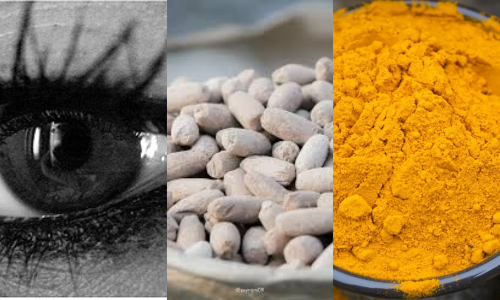
The assessment, conducted across all 16 regions, tested products for lead, cadmium, and mercury. Products surveyed included turmeric, cereal mixes, bentonite clay (ayilor), kohl (Kaji Kaji), and skin-lightening creams and lotions.
The report revealed significant contamination in several products. Kohl had the highest lead failure rate at 77.97 percent, with the Upper East and Eastern regions recording 100 percent failure.
Turmeric showed a 42.09 percent lead failure rate, particularly in Greater Accra and Central regions. Cereal mixes had a 29 percent cadmium failure rate, affecting the North East, Western North, and Oti regions.
Bentonite clay recorded a 24.62 percent lead failure rate, notably in the North East and Greater Accra. Skin-lightening creams and lotions passed all tests, with no mercury contamination detected.
The FDA noted that unbranded products from open markets and retail shops were the main sources of contamination, raising public health concerns.
To protect consumers, the FDA has introduced several measures, including stricter oversight and port checks for kohl products, expanded safety checks and recalls for cereal mixes and turmeric, and engagement with bentonite clay producers on safer practices. Public education campaigns are also being rolled out to raise awareness about the dangers of heavy metal exposure.
The FDA assured the public of its continued commitment to food and cosmetic safety through surveillance, enforcement, and consumer education.
The authority emphasised that consumer wellbeing remains its top priority.