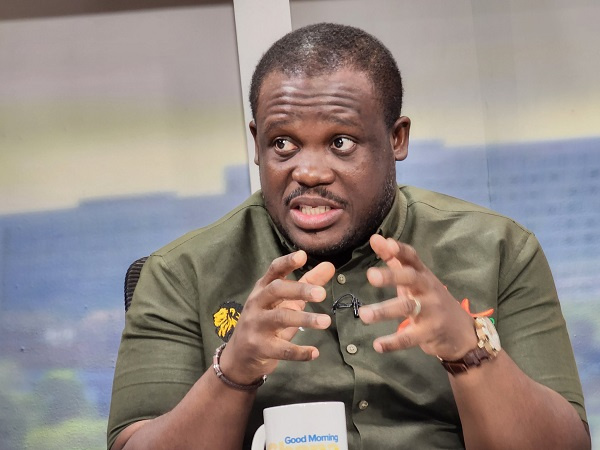
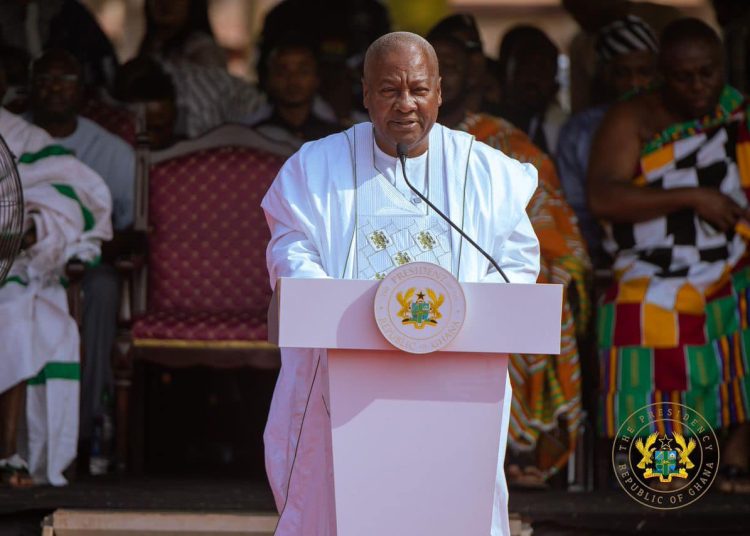





























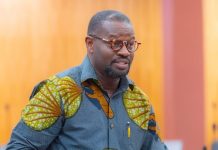



















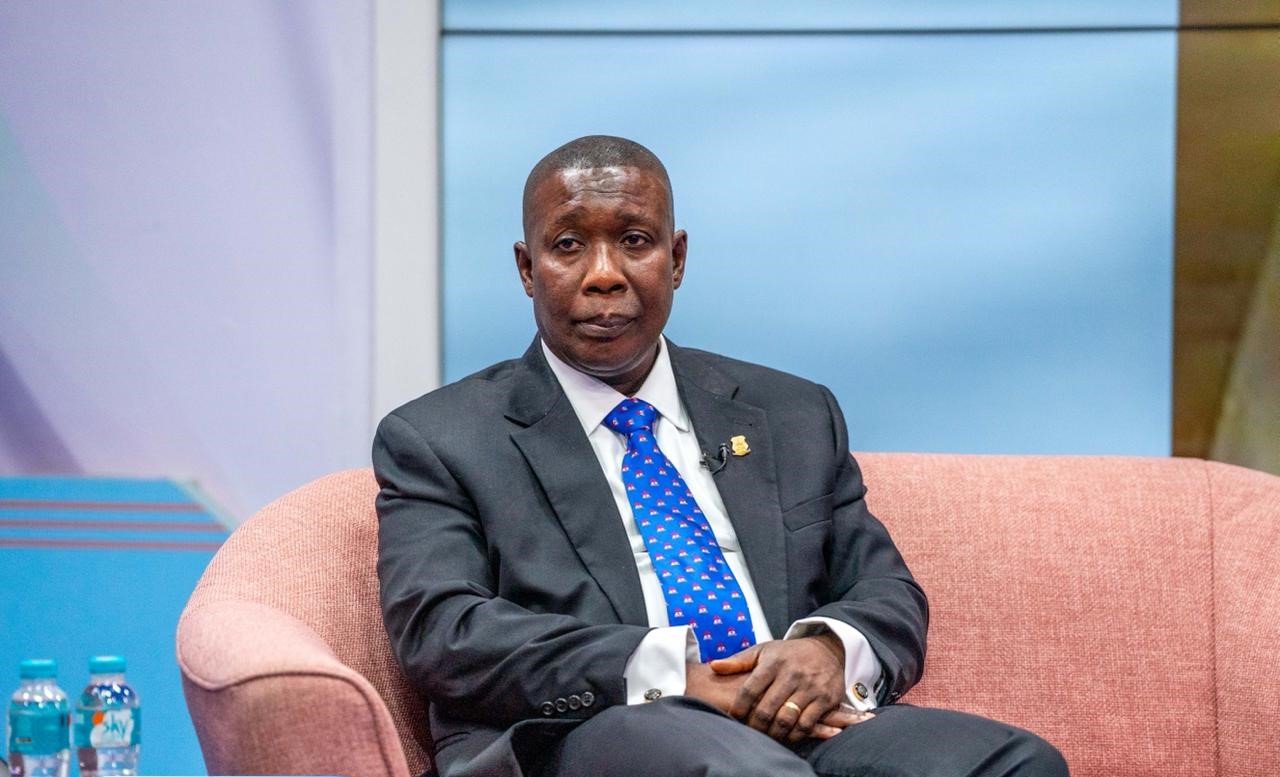
Economist Professor William Baah-Boateng has stated that while Ghana’s economy may be experiencing some macroeconomic calm under President John Dramani Mahama’s administration, the country remains exposed to underlying risks.
Prof. Baah-Boateng acknowledged that the first year of the administration has delivered measurable stability.
“The year 2025 has been good in terms of macro stability. There’s no question about that,” he said.
Yet, he struck a cautionary note, warning against premature celebration. “But we shouldn’t jubilate,” he stressed.
Using a vivid medical analogy, Prof. Baah-Boateng explained that Ghana’s core economic challenges remain deeply intertwined and require sustained policy discipline.
“Managing an economy is like managing the health of an individual,” he noted. “I equate inflation to hypertension, and then I equate unemployment to diabetes.”
According to him, the two conditions often move together and, if poorly managed, can quickly erode hard-won stability.
“These two move together. And if you are hypertensive or you are diabetic, you are supposed to take medication—and the medication must be consistent,” he explained.
For him, this underscores why stability alone cannot be the end goal. “So macro stability is not an end in itself,” he cautioned.
Prof. Baah-Boateng emphasised that sustaining the current calm will depend largely on government discipline and the consistency of monetary policy actions by the Bank of Ghana.
“Government must continue to be disciplined in terms of fiscal [policy],” he said.
He also urged the central bank to consolidate its gains while refining areas where policy execution has fallen short.
“The Bank of Ghana must continue to do what it’s doing right. And what it didn’t get right is to refine it so that we will continue to enjoy the stability,” he added.
Ultimately, Prof. Baah-Boateng argued that only prolonged and carefully managed stability can unlock Ghana’s long-term development ambitions.
“Long stability will be able to facilitate economic transformation,” he concluded.