










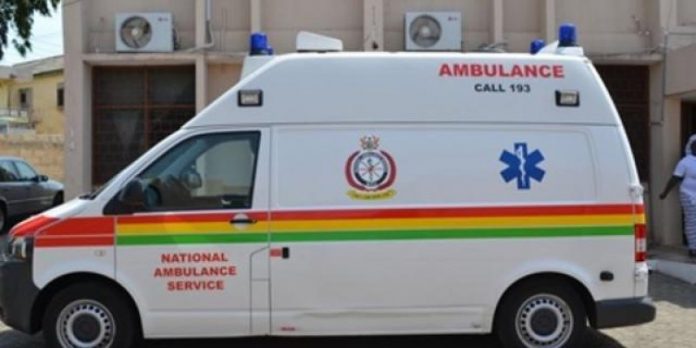










































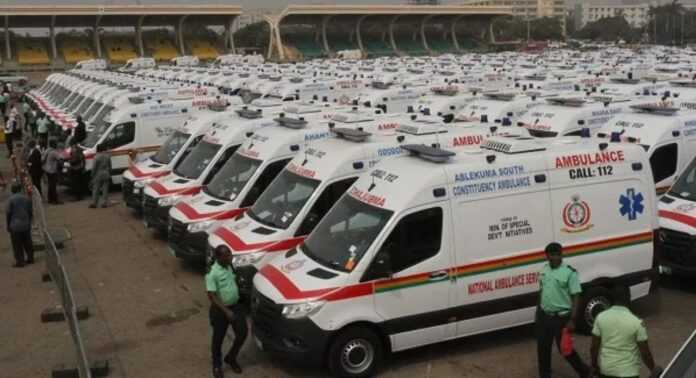
Deputy Director of the National Ambulance Service, Simmons Yussif Kewura, has expressed concern over the impact of Ghana’s persistent “no-bed syndrome,” describing it as a major obstacle to effective emergency response operations.
His remarks follow public outrage over the death of 29-year-old Charles Amissah, who sustained severe injuries in a hit-and-run accident at the Kwame Nkrumah Circle Overpass in Accra.
Ambulance Service personnel reportedly stabilised him at the scene and transported him to the Police Hospital, the Greater Accra Regional Hospital (Ridge), and later the Korle Bu Teaching Hospital.
However, he was allegedly turned away due to the unavailability of beds, a situation commonly referred to as “no-bed syndrome.”
Mr. Kewura said the incident underscores the difficulties ambulance crews face. He explained that their mandate is to stabilise patients and convey them to health facilities for comprehensive treatment, a process that becomes challenging when hospitals are unable to admit emergency cases.
“Everything boils down to the no-bed syndrome. We do not provide holistic medical care. Ours is to ensure the person gets to the facility for proper treatment. So if we get there and there is no bed, it makes our work very difficult,” he said.
Mr. Kewura called on health authorities to implement sustainable measures to address the problem and strengthen emergency healthcare delivery.
He stressed that while the Ambulance Service remains committed to saving lives, its efforts are constrained by limited hospital capacity.