





























The Oil Palm Development Association of Ghana (OPDAG) is calling on the Office of the Special Prosecutor (OSP) to expand its ongoing anti-corruption investigations to include Customs officials suspected of amassing unexplained wealth.
According to OPDAG, probing Customs officers who own two or more houses could help unravel potential misconduct linked to the diversion and smuggling of oil into the Ghanaian market.
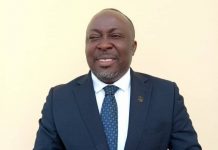
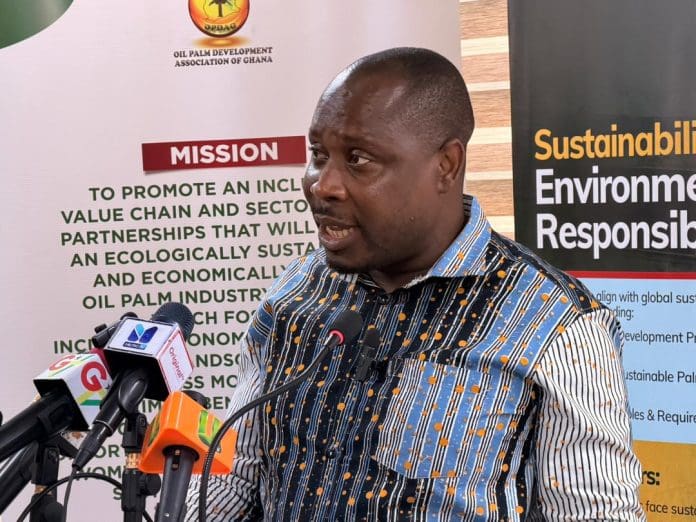
President of OPDAG, Paul Kwabena Amaning, in an interview with Citi Business News, welcomed the recent crackdown on smuggled and diverted oil products.
He said the scale of the problem has worsened significantly, alleging that nearly 90 percent of oil currently on the Ghanaian market is smuggled.
He warned that the growing illicit trade threatens government’s commitment to a proposed US$500 million Oil Palm Development Finance Window, designed to support the long-term growth and sustainability of Ghana’s oil palm industry.
“It is normal because these people who are agents, in fact, it’s a syndicate, that the main customs who are responsible to make sure that our borders are very secure for people to bring in this, they are not doing their work at all because they aid and abet with those criminals, these market women, the importers, to find means to bring the oil.
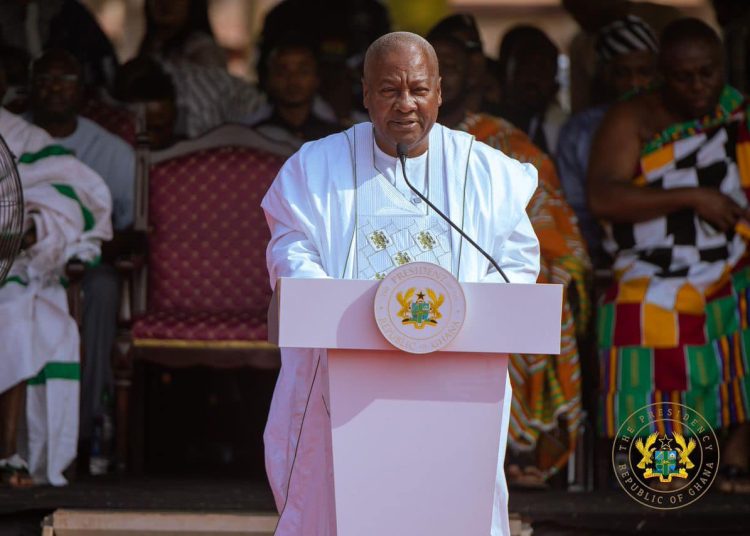
“I know His Excellency John Dramani Mahama has a good intention to invest close to $500 million into the industry. But with all this intervention, if we cannot sell because the tax component on the product makes our oil, the local oil price very high. So we are not competitive at all in terms of price,” Paul Kwabena Amaning said.
“But we keep on drumming and drumming about this issue. Nobody was coming to our aid. Now the special prosecutor is saying that he’s going to do ABCD. Please, he should go deep down and investigate every custom officer who has two or three or four houses, how they came about those houses. They need to go deep down with it. That will solve this problem,” he added.
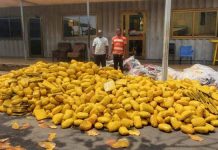
The OSP recently announced the launch of investigations into a suspected corruption scheme involving the diversion of fifty 20-foot containers of palm oil valued at GH¢25.8 million. The shipment had been declared as goods in transit to Burkina Faso but was allegedly diverted into the Ghanaian market without payment of the required duties and taxes.
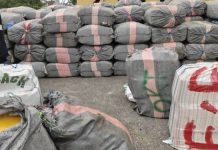
In a related development, the Customs Division of the Ghana Revenue Authority (GRA) also recently intercepted 12 articulated trucks along the Dawhenya–Tema Road in a major enforcement operation. The trucks were part of a larger consignment of 18 that had been electronically cleared as transit goods.
The consignment was declared as originating from Akanu and destined for Niger through Kulungugu. However, authorities intercepted the trucks without the mandatory Customs human escort, in breach of Ghana’s transit procedures.
The trucks were carrying 44,055 packages of edible cooking oil, tomato paste and spaghetti. Authorities estimate that the taxes at risk from the attempted diversion exceed GH¢85 million.