

























































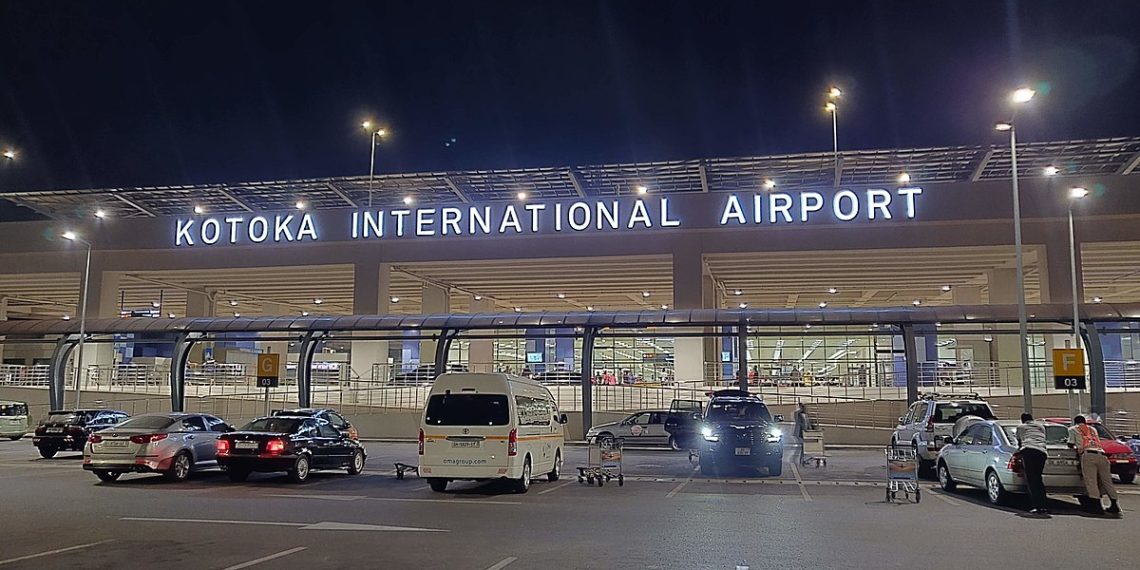
Renowned legal scholar and governance advocate, Prof Stephen Kwaku Asare, popularly known as Kwaku Azar, has raised concerns over the financial, logistical, and policy implications of the proposed renaming of Kotoka International Airport (KIA) to Accra International Airport, questioning whether the move would deliver any tangible national benefit.
According to Prof Asare, the airport’s name is firmly embedded in global aviation systems, international treaties, maps, branding, and digital platforms, making any attempt to change it a costly and complex exercise.
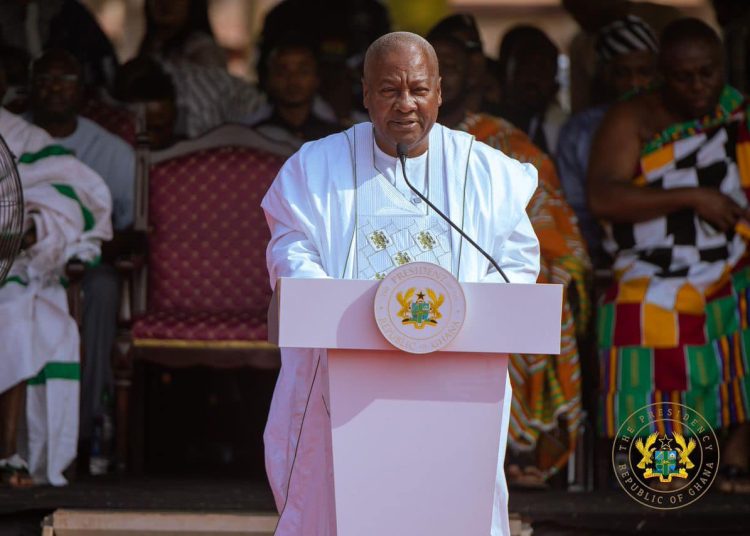
The Majority Leader, Mahama Ayariga, on Tuesday, February 3, 2026, announced that government plans were underway to rename the country’s main international airport in honour of the indigenes of Accra who offered their land for the construction of the facility.
While a section of the public has welcomed the proposal, Prof Asare, in a post on Facebook on Tuesday, February 3, has described it as unwarranted and a distraction from more pressing national priorities.
“Renaming KIA now would incur significant administrative, financial, and symbolic costs without improving operational efficiency, safety, or economic growth,” he said, noting that the airport plays a critical role as a regional aviation hub.
He argued that every Cedi and every unit of institutional focus devoted to symbolic changes, such as renaming an international airport, diverts attention from urgent needs, including improving passenger services, cargo handling, and aviation safety systems.
“Kotoka International Airport is already recognised globally. Stability and predictability are assets in aviation. Changing its name now risks confusion and unnecessary costs, with no measurable benefit to the country,” Prof Asare stated.
He warned that an overemphasis on cosmetic changes, rather than operational and economic reforms, could undermine public confidence in policy decisions.
Prof Asare further noted that renaming the airport would require extensive updates to aviation databases, airline systems, legal documents, maps, signage, and digital platforms, in addition to a nationwide rebranding campaign.
“While the intent may be symbolic, the practical consequences are real. Policymakers must weigh the economic and operational costs before pursuing such initiatives,” he said.