
























































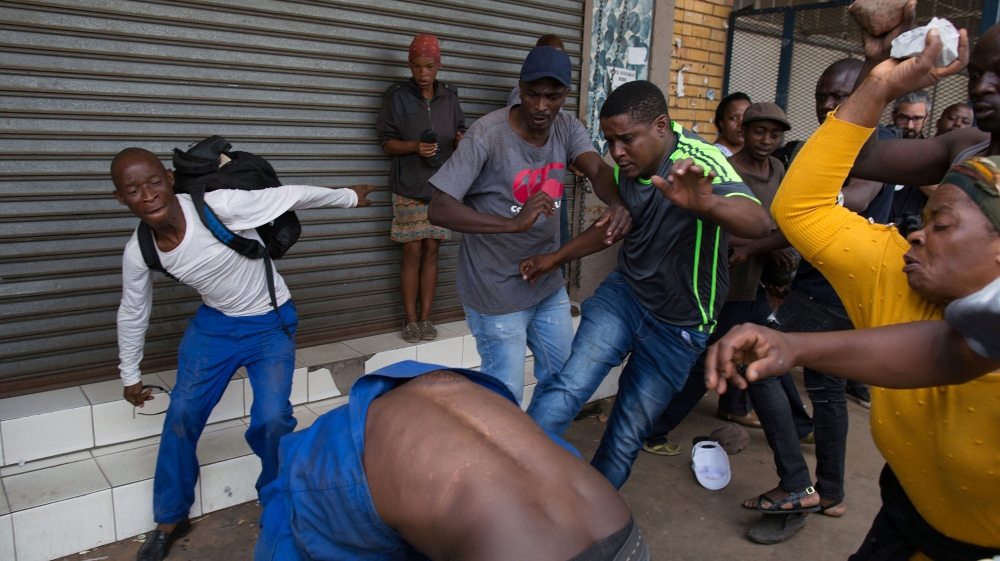
The Chairman of the National Development Planning Commission (NDPC), Dr Nii Moi Thompson, says recent xenophobic attacks in South Africa may reflect deeper patterns of internal violence within the country that are now being extended to foreigners.
He argued that violence directed at foreign nationals is not an isolated phenomenon but part of a broader culture of criminal activity within some sectors of South African society.
“It is just a reflection or what I call externalisation of violence that they themselves are already accustomed to among themselves and to themselves, and they are transferring this to foreigners,” he said.
Dr Thompson pointed to the level of violence in South Africa, citing killings within certain industries as evidence of a wider security challenge.
“So if you look at violence in South Africa, it is on a completely different level. Right now, if you were to Google assassinations in the taxi industry in Africa, only one country comes up—South Africa,” he noted.
He also referenced the construction sector, suggesting that organised groups have disrupted operations through intimidation and extortion.
“The construction industry has ground to a halt in most of South Africa because they have these gangs who go out and demand 30% of the value or you shut down and they kill people,” he said.
According to him, these patterns of violence are now being “transferred” onto non-South Africans, contributing to rising xenophobic attacks against foreign nationals, including Ghanaians.
The comments come amid growing concern in Ghana over recent attacks on Ghanaian-owned businesses and individuals in South Africa.
The Minority Caucus on Parliament’s Foreign Affairs Committee has already called for stronger diplomatic engagement and concrete security assurances from South African authorities.
They have urged both immediate arrests of perpetrators and broader regional intervention through the African Union and ECOWAS to address what they describe as recurring xenophobic violence.