









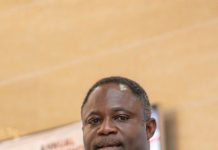







































The Minister for Health, Kwabena Mintah Akandoh, has clarified Ghana’s decision to reject a proposed health agreement with the United States, describing it as part of a broader strategy to reduce reliance on foreign aid and strengthen domestic healthcare financing.
According to the minister, the move aligns with the government’s push toward “health sovereignty” — a policy direction aimed at ensuring sustainable investment in the country’s healthcare system while maintaining strategic international partnerships that do not impose restrictive conditions.
Speaking on the sidelines of the Regional Health, Nutrition and Population Strategy launch in Accra, organised by Ministry of Health in collaboration with the World Bank, Mr Akandoh said the approach reflects the government’s determination to build a resilient and self-sustaining health sector.
“This is about Ghana taking control of its health needs while engaging partners on our own terms,” he stated.
He noted that the government has significantly increased domestic funding for critical health interventions, particularly vaccines, stressing that public health investments remain a top priority.
“Investing in vaccines is non-negotiable because it is a public good,” he emphasised.
The minister further disclosed that proceeds from the National Health Insurance Authority levy are being channelled back into the health sector to improve service delivery, expand infrastructure, and support long-term reforms.
Mr Akandoh also revealed that Ghana is gradually reducing its reliance on donor-funded programmes, including support from Gavi, the Vaccine Alliance, as part of efforts to build a more sustainable healthcare financing model.
“Health sovereignty does not mean isolation, but it means building the capacity to finance and manage our own health system effectively,” he added.
The minister expressed confidence that the strategy would strengthen Ghana’s healthcare system, improve access to quality services, and position the country to better withstand global funding uncertainties.