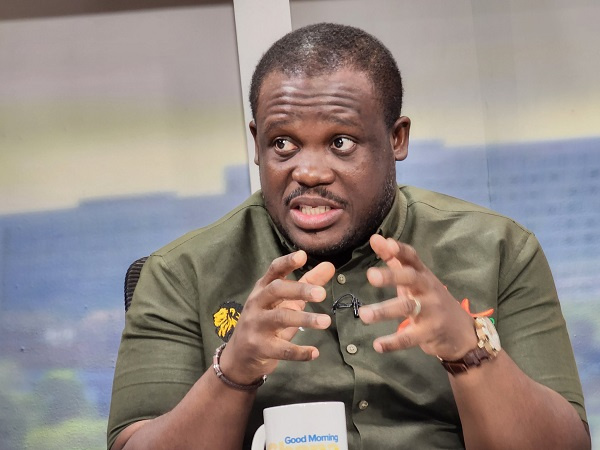






























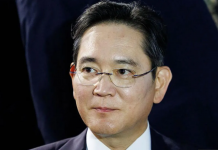





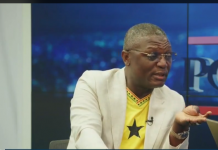













Founder and Managing Partner of the Songhai Group, Dr Hene Aku Kwapong, has commended the Bank of Ghana for managing recent economic pressures while maintaining its independence, warning that any compromise in that regard could have serious consequences for the economy.
Dr Kwapong said the Bank has navigated a difficult policy environment without undermining its autonomy.
“The central bank has done incredibly well in terms of really managing things because part of it did all of this without moving too closely to compromising its independence,” he said.
He cautioned, however, that preserving monetary policy independence remains critical to the country’s economic stability.
“If it moves any closer to compromising monetary independence, we are all in deep trouble,” he added.
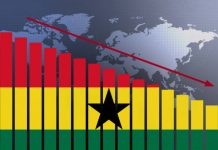
Dr Kwapong’s comments come amid ongoing scrutiny of the Bank of Ghana’s financial performance, which recorded an operating loss of GH¢15.6 billion in 2025, up from GH¢9.48 billion in 2024. The central bank has now posted losses for four consecutive years, with its negative equity position widening significantly.
According to the Bank’s 2025 Annual Report and Financial Statements, the losses reflect the cost of aggressive monetary policy measures aimed at controlling inflation and stabilising the economy.
These include increased spending on open market operations, foreign exchange interventions, and the impact of government debt restructuring.
The Bank spent GH¢16.73 billion on liquidity management operations in 2025, nearly double the previous year’s figure, while also recording losses from gold transactions and exchange rate movements.
Despite these challenges, the Bank of Ghana maintains that it remains policy solvent, with core operating income sufficient to support its monetary policy functions.
Dr Kwapong has also previously raised concerns about unresolved elements of the Domestic Debt Exchange Programme, noting that an estimated GH¢23 billion in expected write-offs has yet to be reflected in the Bank’s accounts, which he says could affect the full assessment of its financial position.
His remarks add to the broader debate on the central bank’s policy choices, financial health, and the importance of safeguarding institutional independence in managing Ghana’s economic recovery.