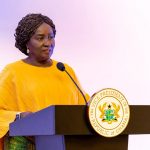
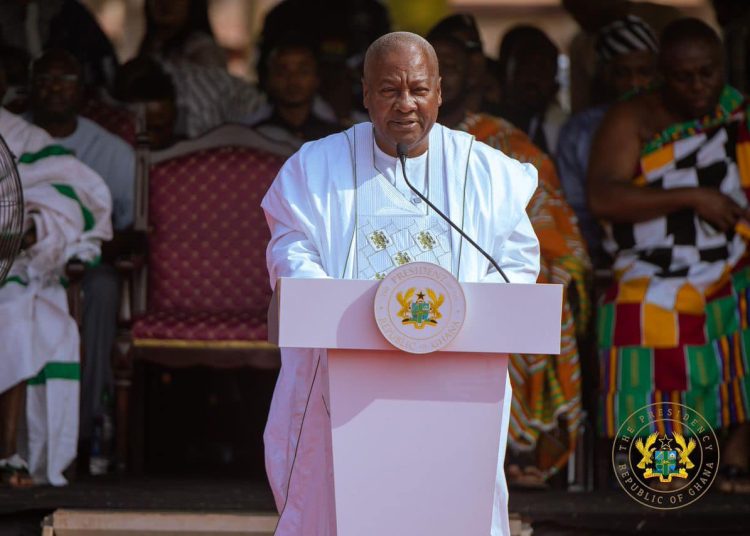





















































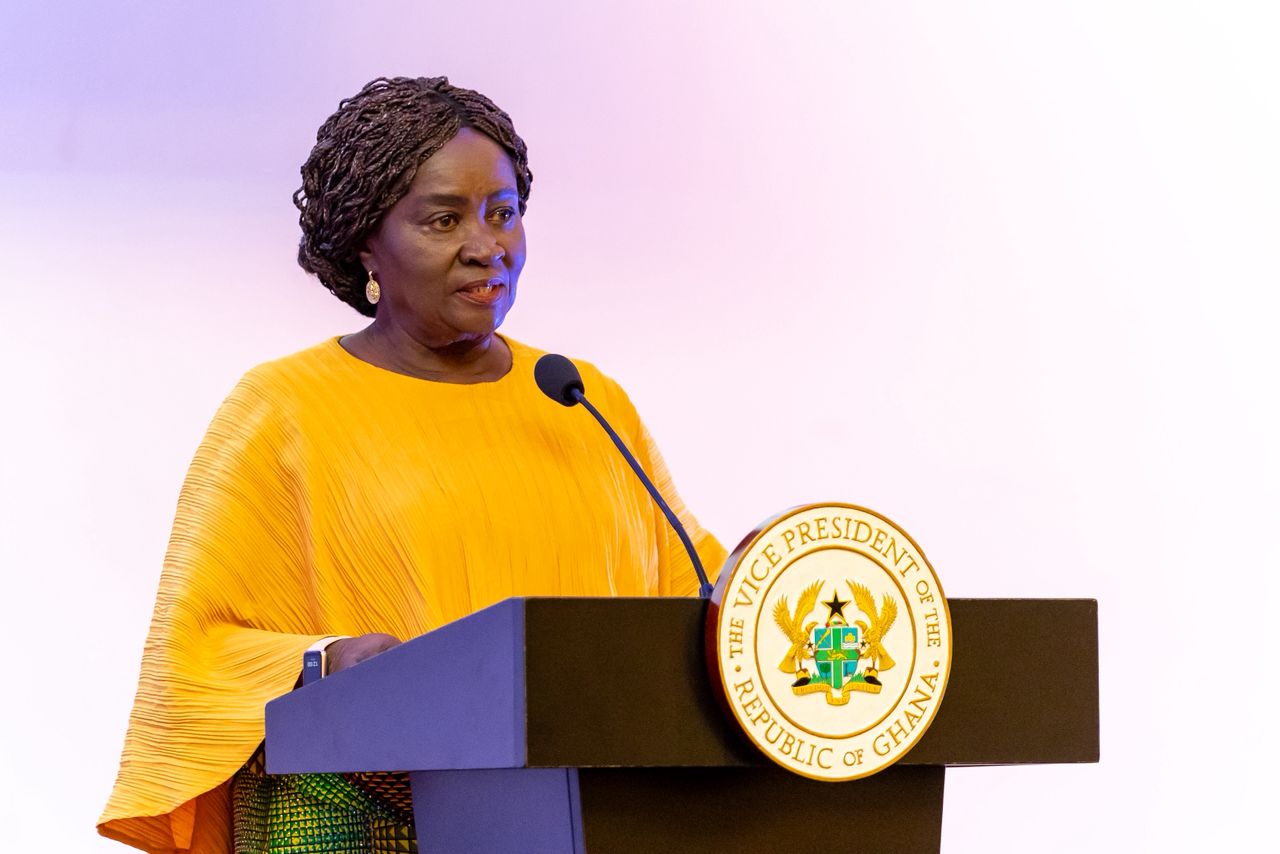
Vice President Professor Jane Naana Opoku-Agyemang has called for stronger financial integration across Africa, warning that reliance on foreign financial systems for intra-African transactions continues to increase costs, create delays, and undermine the continent’s ambition of building a single market.
According to her, many cross-border transactions between African countries are still routed through financial systems outside the continent and denominated in third-party currencies, creating unnecessary barriers to trade and economic integration.
Speaking at the second edition of the 3i Africa Summit on Wednesday, May 6, 2026, Prof. Opoku-Agyemang said Africa must accelerate efforts to build interoperable payment systems, digital identity frameworks, and harmonised regulations to unlock the full potential of the continent’s digital economy.
“In many cases, intra-Africa transactions are still routed through financial systems outside the continent and denominated in third currencies. This adds costs and delays and undermines the very idea of a single African market,” she said.
The Vice President noted that progress is being made through the Pan-African Payment and Settlement System, which is helping facilitate direct transactions between African economies.
She also referenced the African Union’s Digital Trade Protocol, adopted in 2024, describing it as a critical framework for reducing payment friction through mobile money interoperability, cross-border electronic processes, and integration with regional settlement systems.
She explained that the ultimate goal is to make it possible for businesses across the continent to transact directly in local currencies.
“The objective is for a Ghanaian enterprise to be able to invoice a Guinean client and receive payment in cedis directly, efficiently, and at a reasonable cost,” she stated.
Prof. Opoku-Agyemang further stressed that digital identity remains a critical pillar for Africa’s digital transformation, noting that millions of Africans still lack reliable digital identification systems, limiting their access to formal financial systems and cross-border trade opportunities.
“No digital economy can function without trust, and trust begins with identity,” she said, adding that interoperable identity systems are essential to driving participation at scale.
On regulation, the Vice President said Africa does not necessarily need identical laws across all countries, but rather compatible legal and regulatory frameworks that reduce the cost of doing business and encourage innovation.
She called for the use of regulatory sandboxes, shared standards, and stronger coordination among jurisdictions to make digital integration across the continent a practical reality.