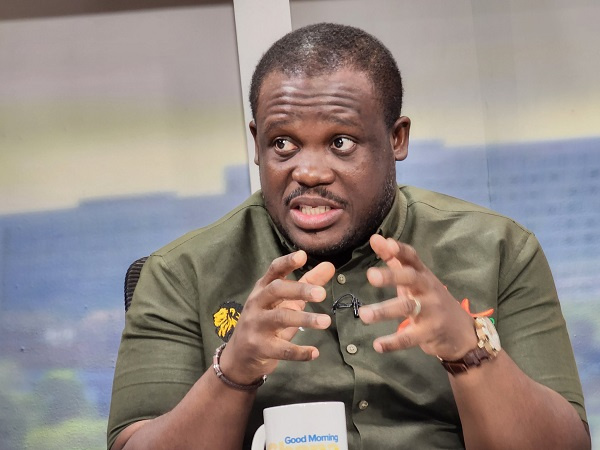




























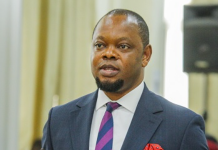


























Deputy Attorney General and Minister for Justice, Justice Srem-Sai, says the current issue involving the Office of the Special Prosecutor (OSP) is not about a refusal to grant authorisation, but about the OSP’s position on institutional independence.
This comes in the wake of a High Court ruling on Wednesday, April 15, 2026, which ordered the Attorney-General’s Department to take over all criminal prosecutions currently being handled by the Office of the Special Prosecutor, pending formal authorisation from the Attorney-General’s office.
The ruling effectively shifts all ongoing OSP cases to the Attorney-General’s Department on an interim basis, stripping the OSP of the ability to continue prosecuting those matters in their current form. The court also declared the existing OSP prosecutions “null and void,” meaning the cases may have to be refiled or restarted under the Attorney-General’s authority, depending on how the state proceeds.
The Deputy Attorney General said the office remains open to granting approval whenever it is formally requested.
“Why not? Why won’t we grant them the authorisation if they apply for it? We have been liaising with the Office of the Special Prosecutor since we came to office. There are so many things that we have done, some of which I cannot account for. So there’s no issue about liaising or not liaising. Why won’t we? That’s the question I am asking,” he said.
Srem-Sai, however, argued that the OSP has not been seeking such authorisation because it believes it operates independently of the Attorney-General’s approval.
“OSP is not interested in coming for the authorisation. That is because the OSP says that it is independent and doesn’t require the authorisation. That is the issue at the center of it,” he stated.
He explained that the debate should not be reduced to a simple question of approval being granted or withheld, but should be understood in the broader context of the Special Prosecutor’s constitutional independence.
“The whole argument is the independence of the Special Prosecutor, which is at the core of this issue. So if you simplify the matter and you say that it’s just about giving authorization and not giving it, then you probably have completely left the issue aside and you’re addressing a completely different issue,” he added.