


















































The Council of State has called for stricter enforcement of planning and building regulations to curb recurring flooding and minimise disaster risks across the country.
It urged Metropolitan, Municipal and District Assemblies (MMDAs) to enforce planning laws, ensure compliance with approved building standards, prevent development in flood-prone areas, and strengthen drainage maintenance, sanitation, and waste management.
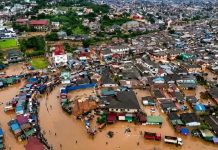
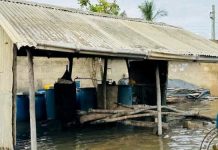
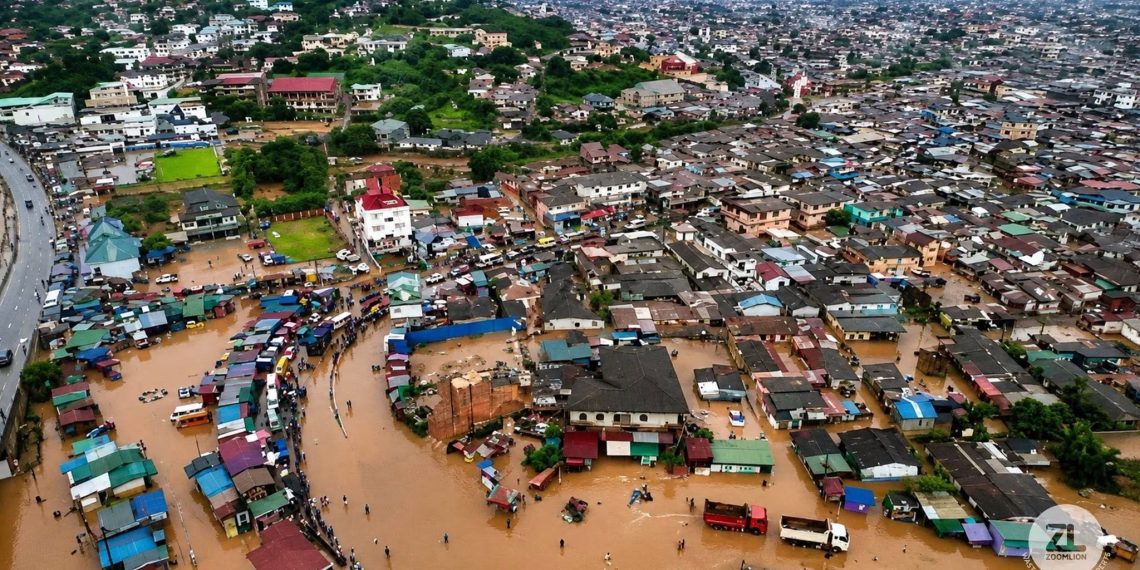
The call was made in a statement copied to the Ghana News Agency after Monday’s torrential rains, which killed at least 12 people, displaced thousands, submerged homes, and cut off major roads in parts of Accra and other affected communities.
The Council said recurring flooding continued to be driven by poor sanitation, clogged drainage systems, unauthorised developments on waterways and wetlands, and weak enforcement of planning and building regulations.
It said flood prevention should take precedence over disaster response.
The Council recommended that the National Disaster Management Organisation (NADMO) be involved in planning major infrastructure and development projects through disaster risk assessments before implementation, particularly in flood-prone and other hazard-prone areas.
It expressed sympathy to those affected by the floods, particularly residents of the Greater Accra Region and other vulnerable communities.
“Our thoughts are with those who have lost loved ones, suffered injuries, been displaced from their homes, or lost property and livelihoods,” the statement said, adding that the nation must stand in solidarity with all those affected.
The Council commended the Government, NADMO, the Ghana Armed Forces, the Ghana National Fire Service, the Ghana Police Service, health workers, volunteers, and other first responders for their rescue and relief efforts.
It said NADMO had recently outlined measures to strengthen disaster preparedness and response, including reviving its volunteer network with an updated database of citizens willing to assist during emergencies.
The Council said that NADMO’s nationwide presence at the national, regional, and district levels would enhance monitoring and improve emergency response.